


|
|
|
|
by Editor Jane Lyons
Edited and published by Yvette Depaepe, the 27th of March 2026
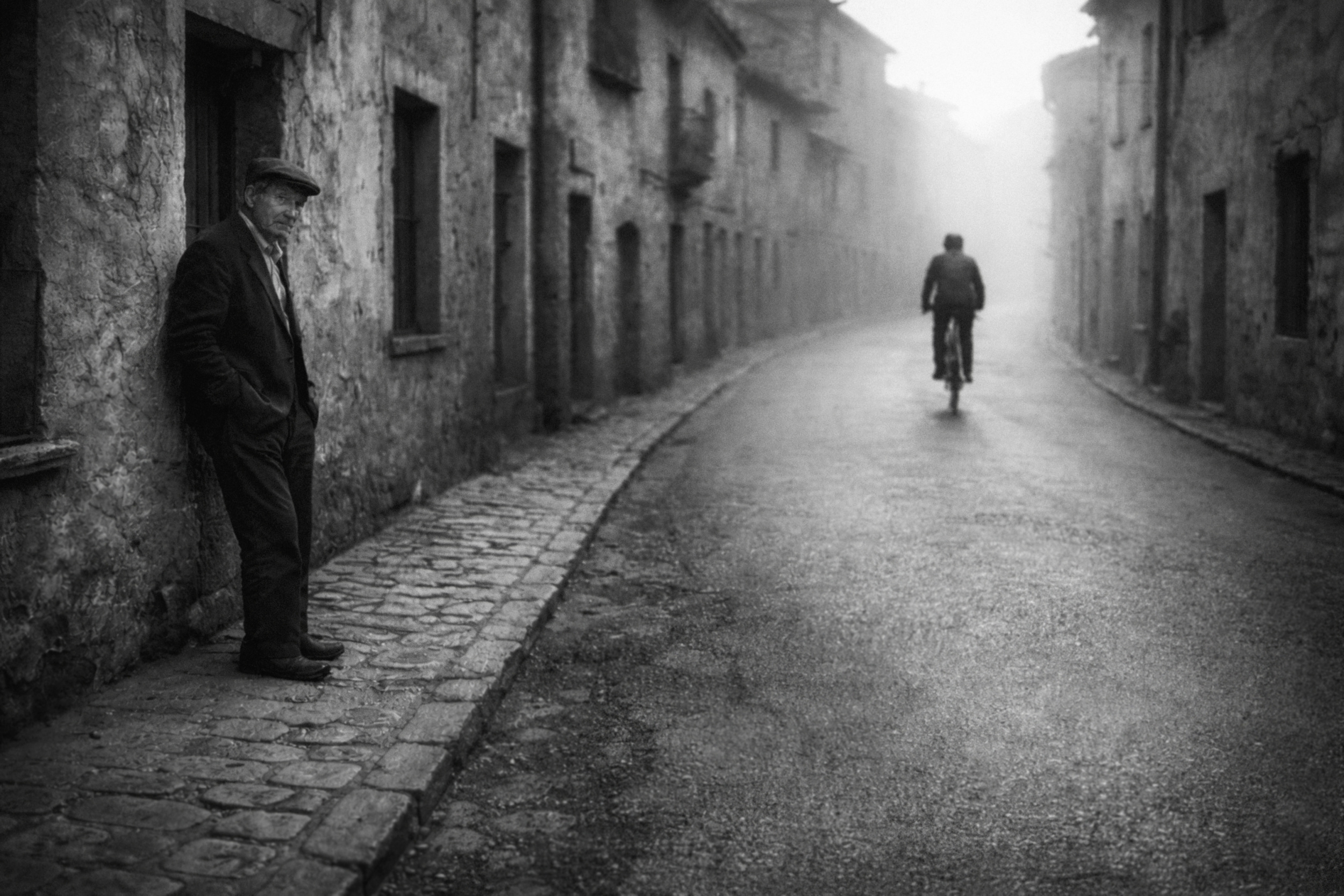
“somewhere in Italy”
As we all know, art is subjective.
If ten people were asked to select their twenty favourite photographs from Holger Droste’s portfolio, the results would undoubtedly be very different. Yet within that diversity of opinion lies something undeniable: Holger’s work is instantly recognizable.
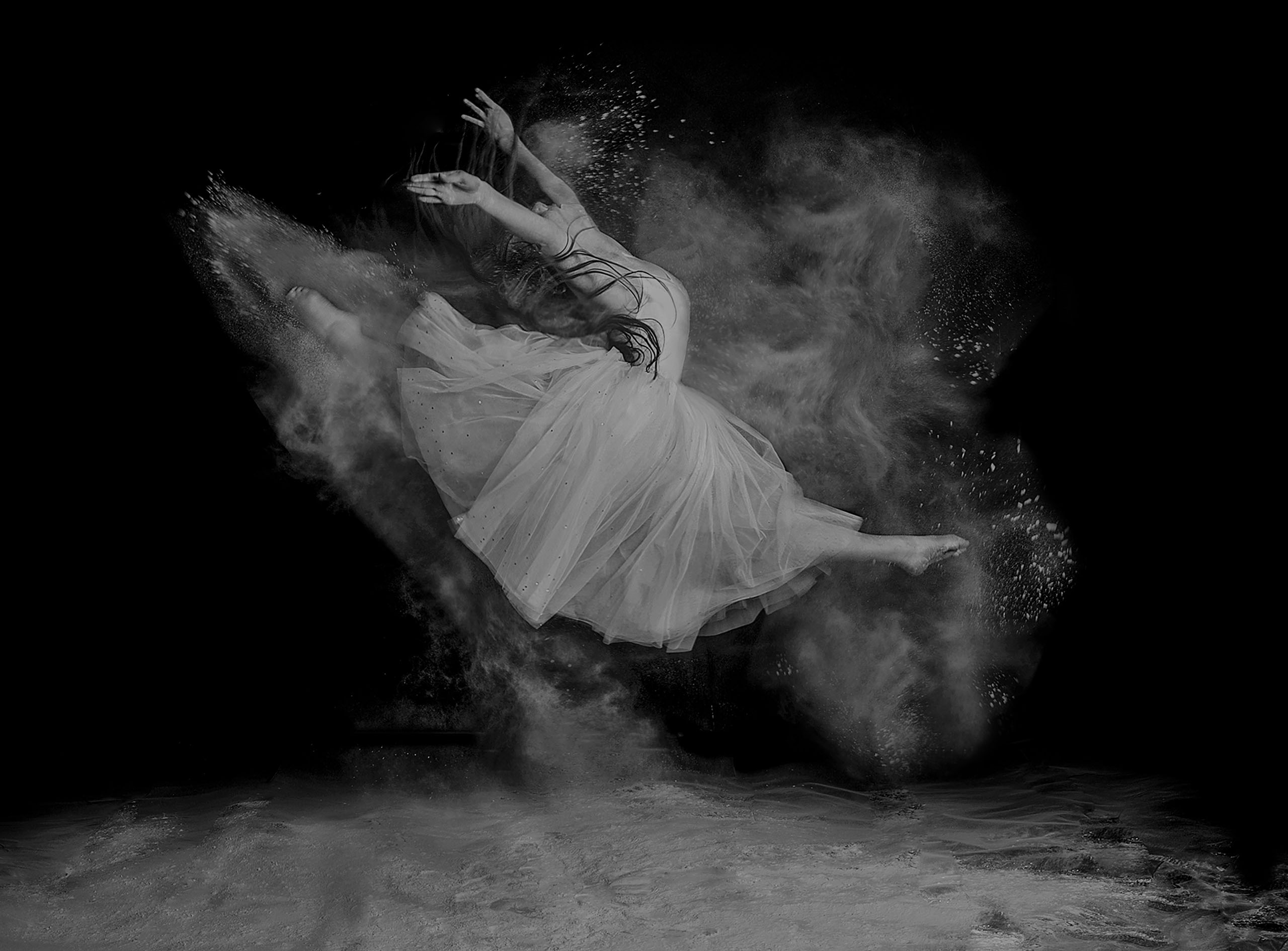
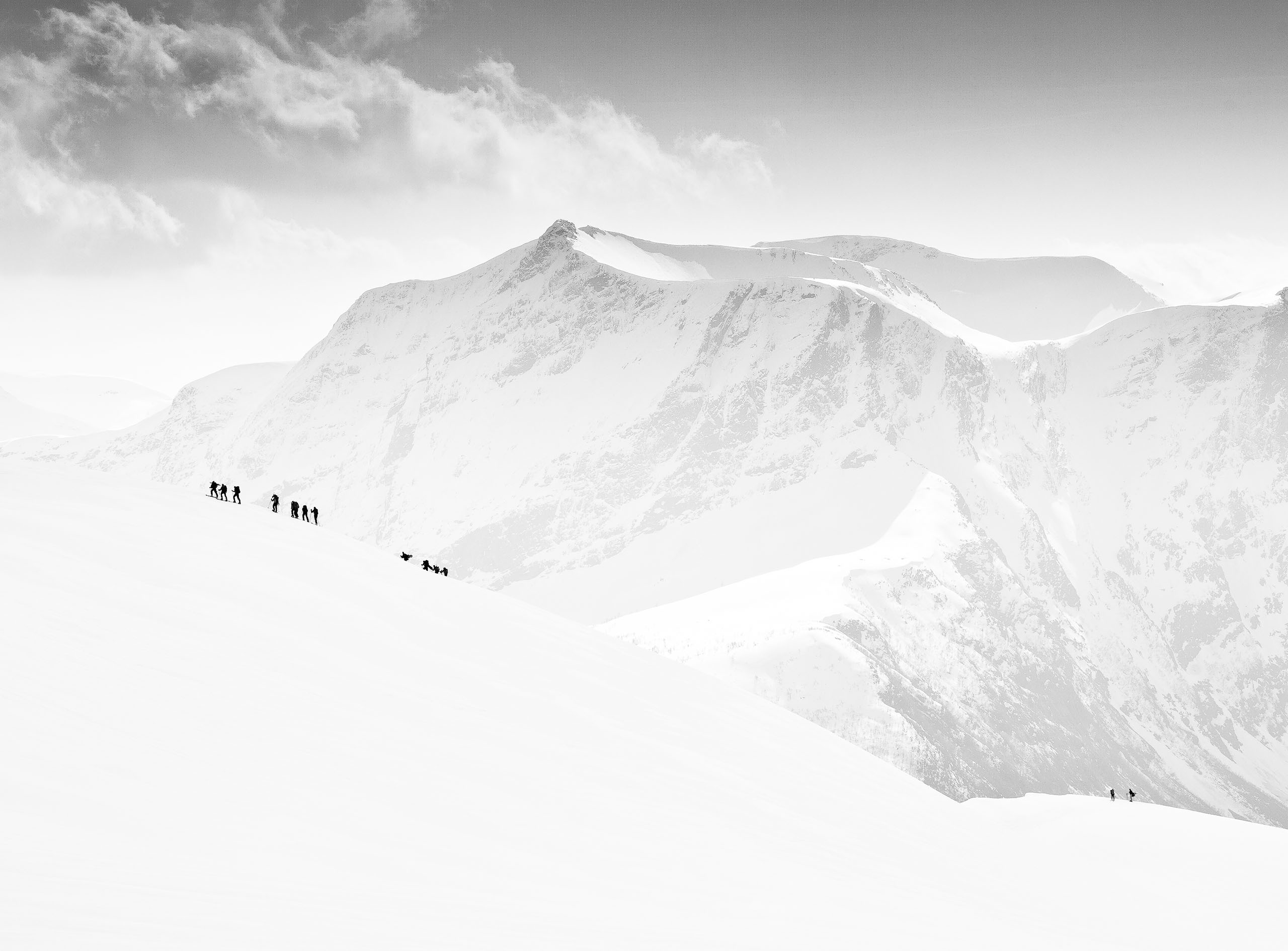
In an age when billions of images circulate online every day, developing a distinctive photographic style is no mean feat. Holger has achieved precisely that. His distinctive black-and-white conversions — severe, dramatic and unapologetically vintage — are his signature. The tonal range is bold and uncompromising. Deep shadows swallow detail, while highlights cut sharply through the darkness. The result often resembles stills from film noir from the 1930s and 1940s — images that feel lifted from another era, suspended somewhere between memory and cinema.
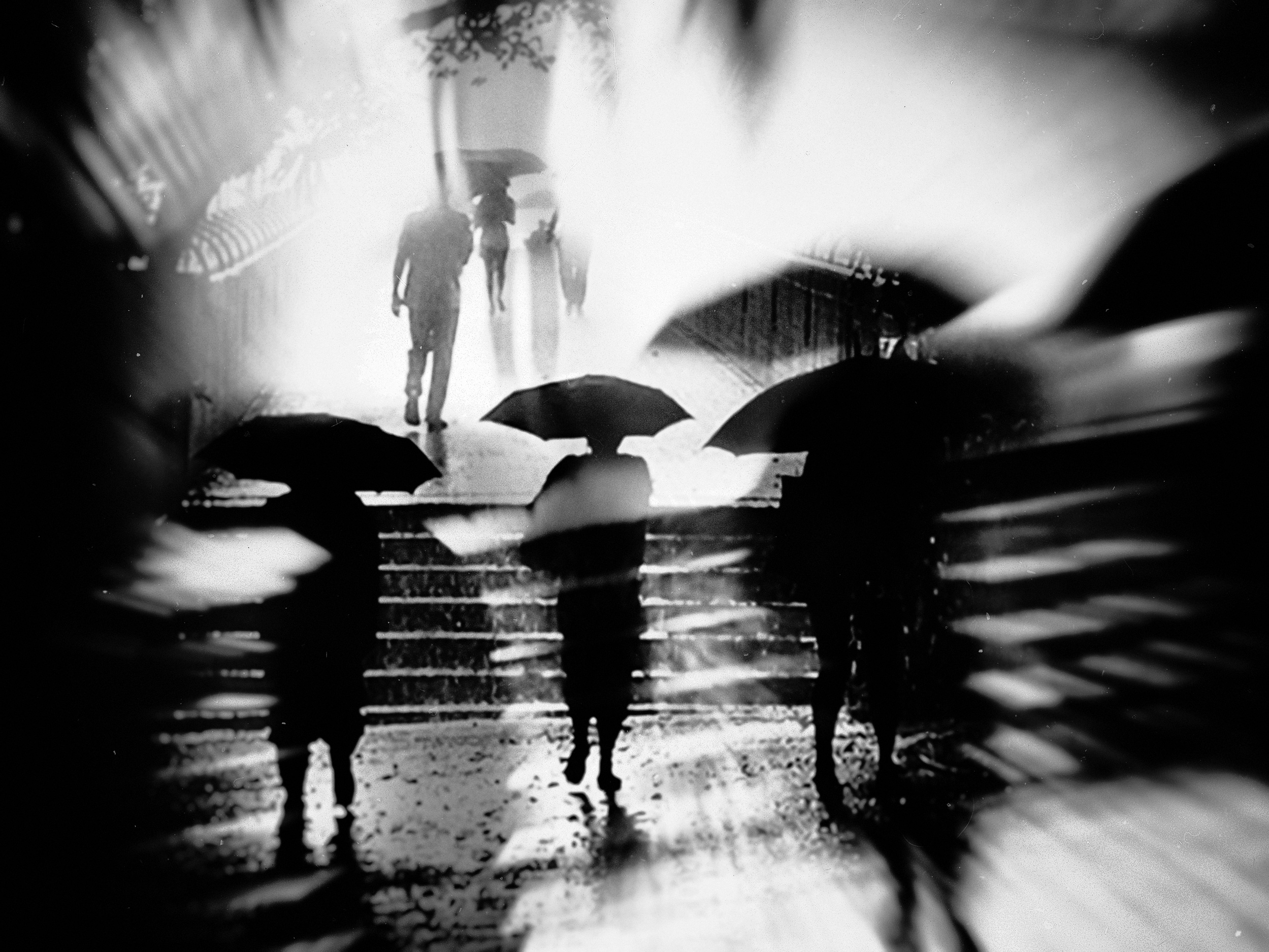
“Rainy Days”
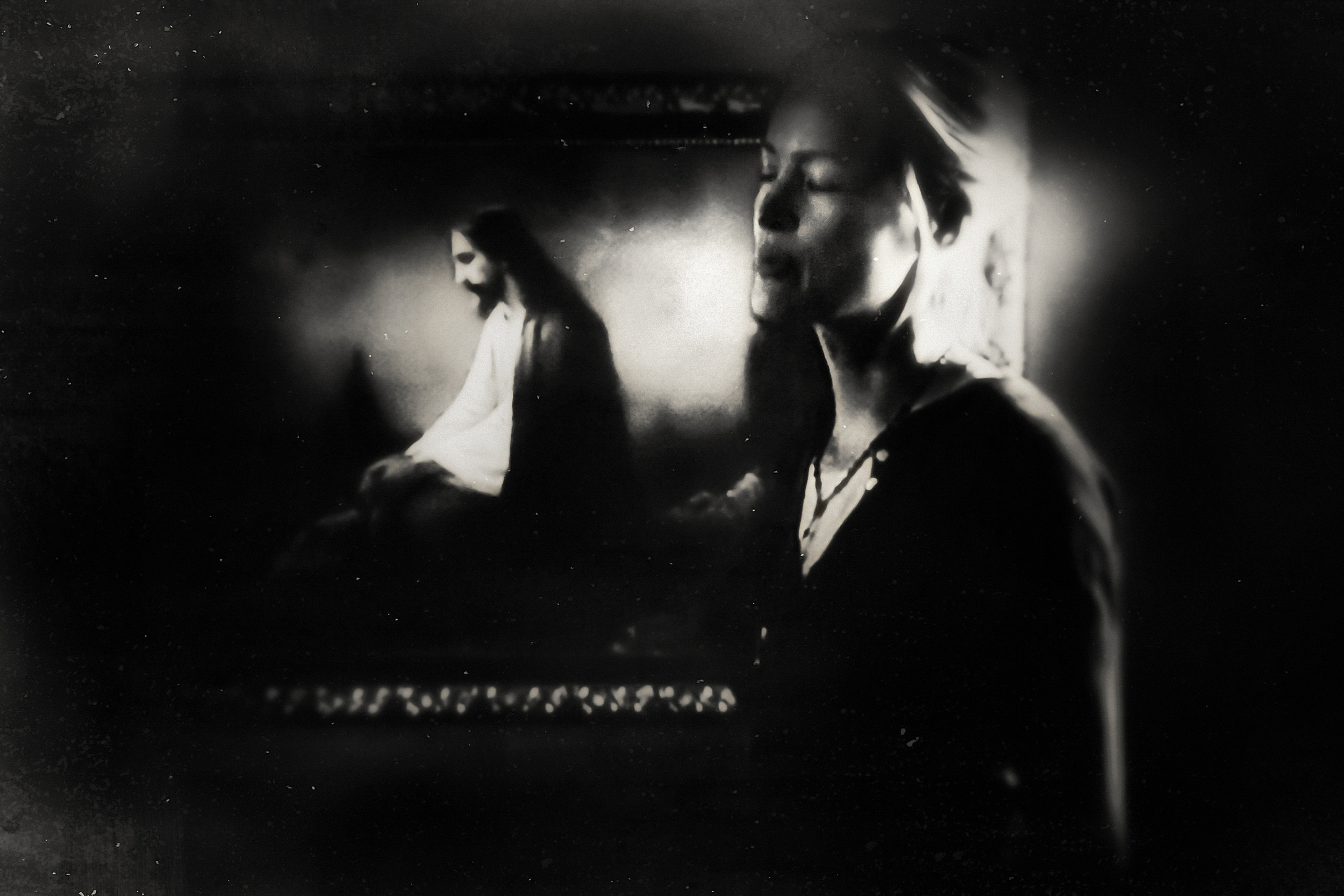
“the way to me”
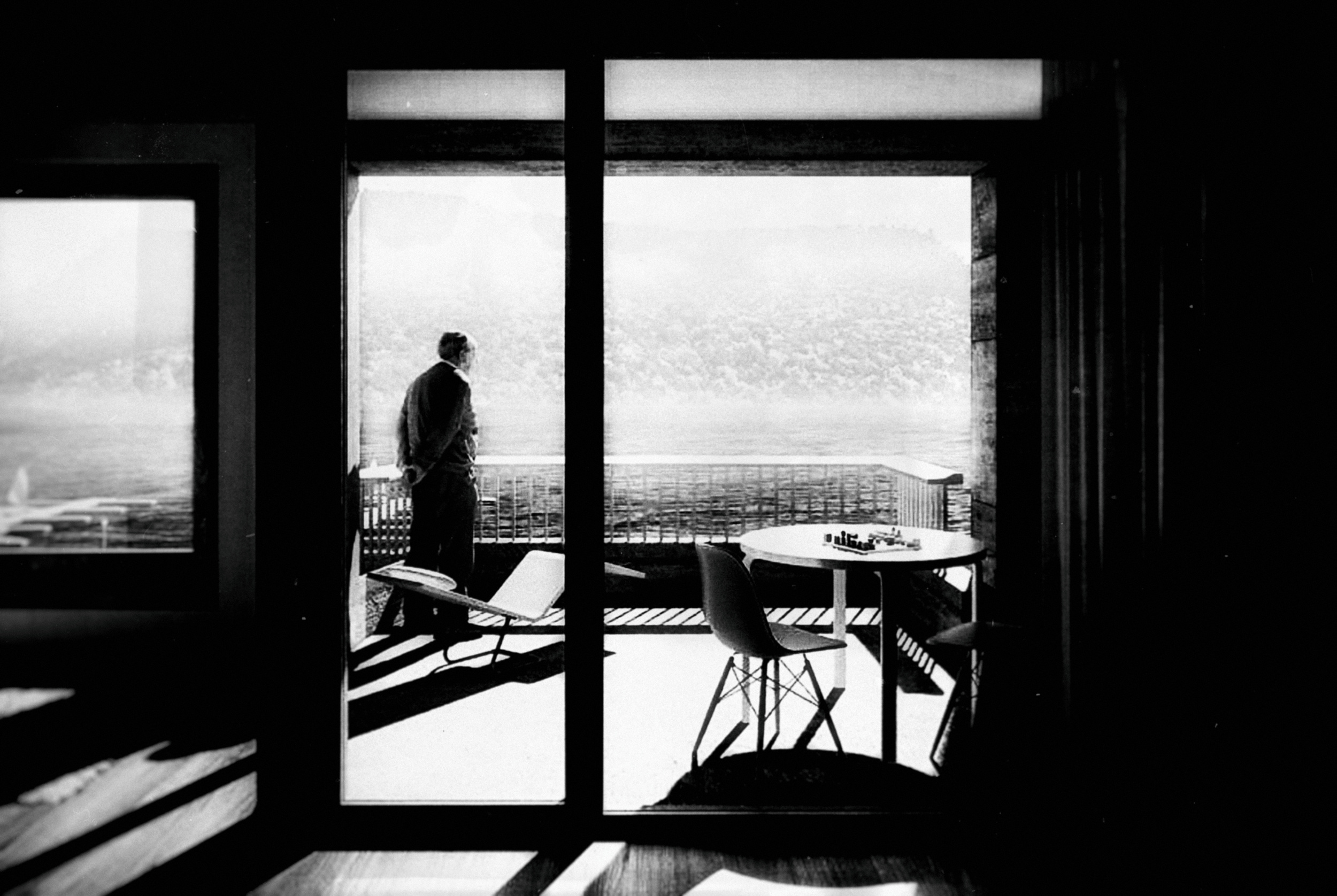
“Laggo Maggiore”
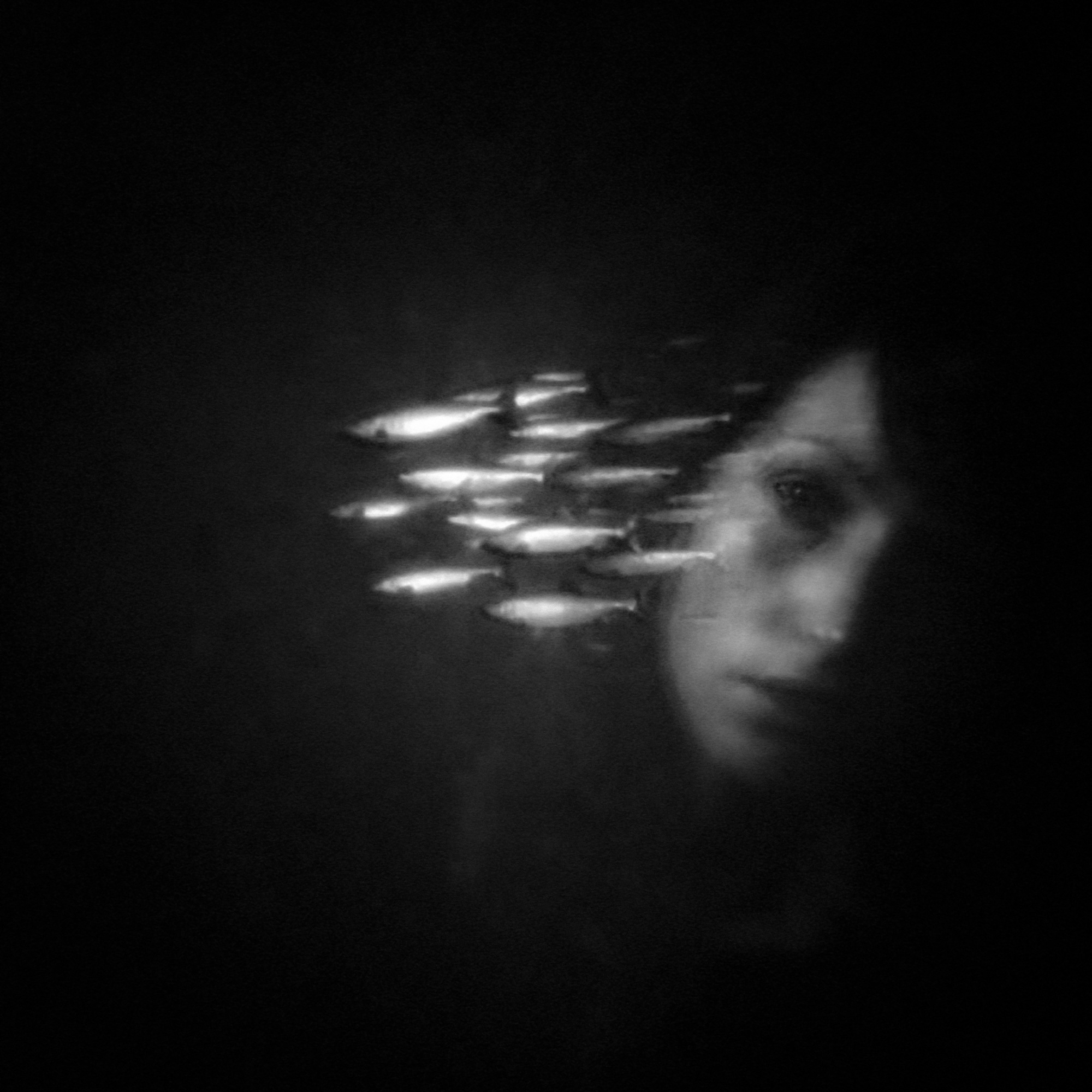
“Woman of Aquarius”
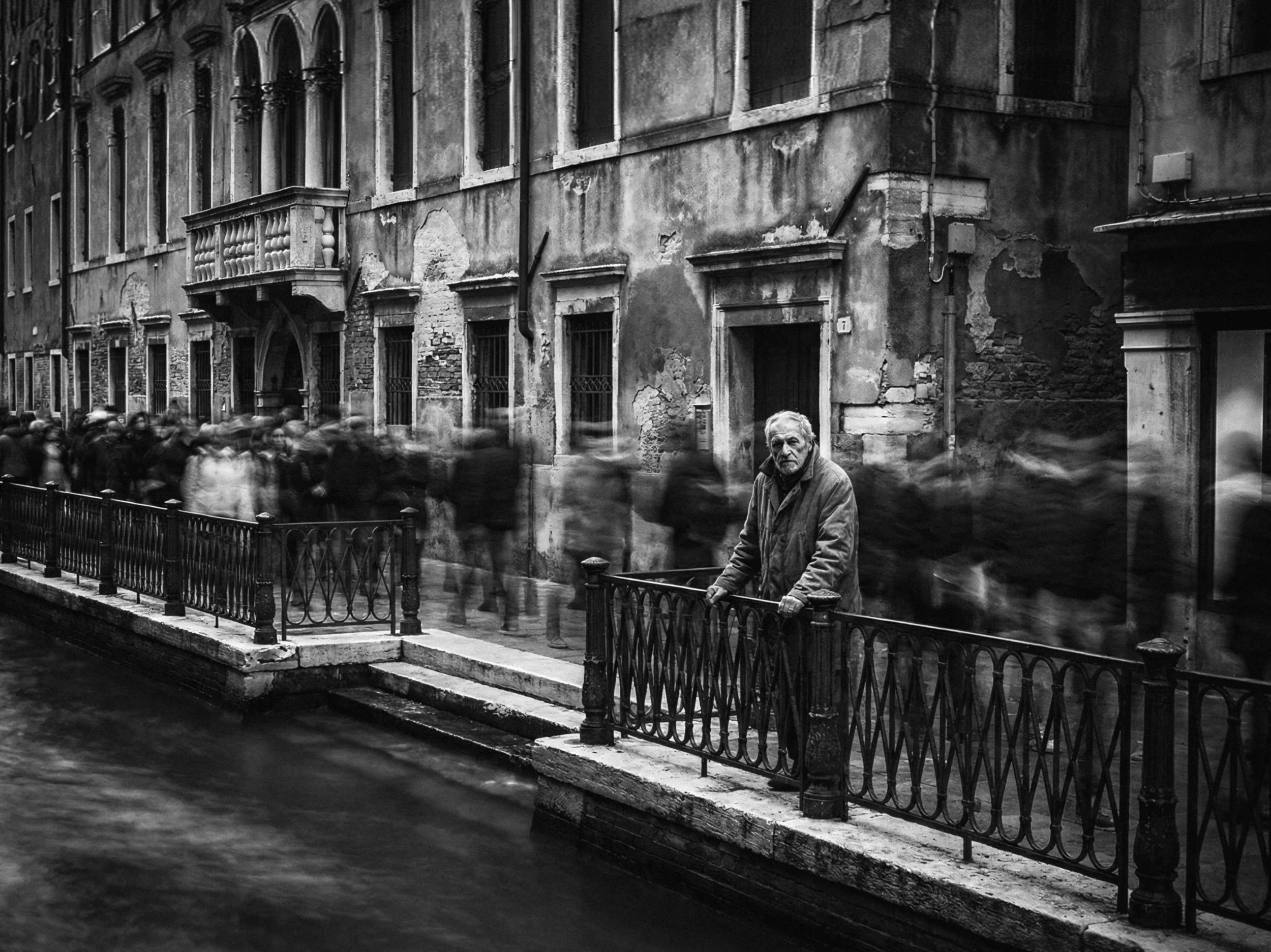
“Venedig V”
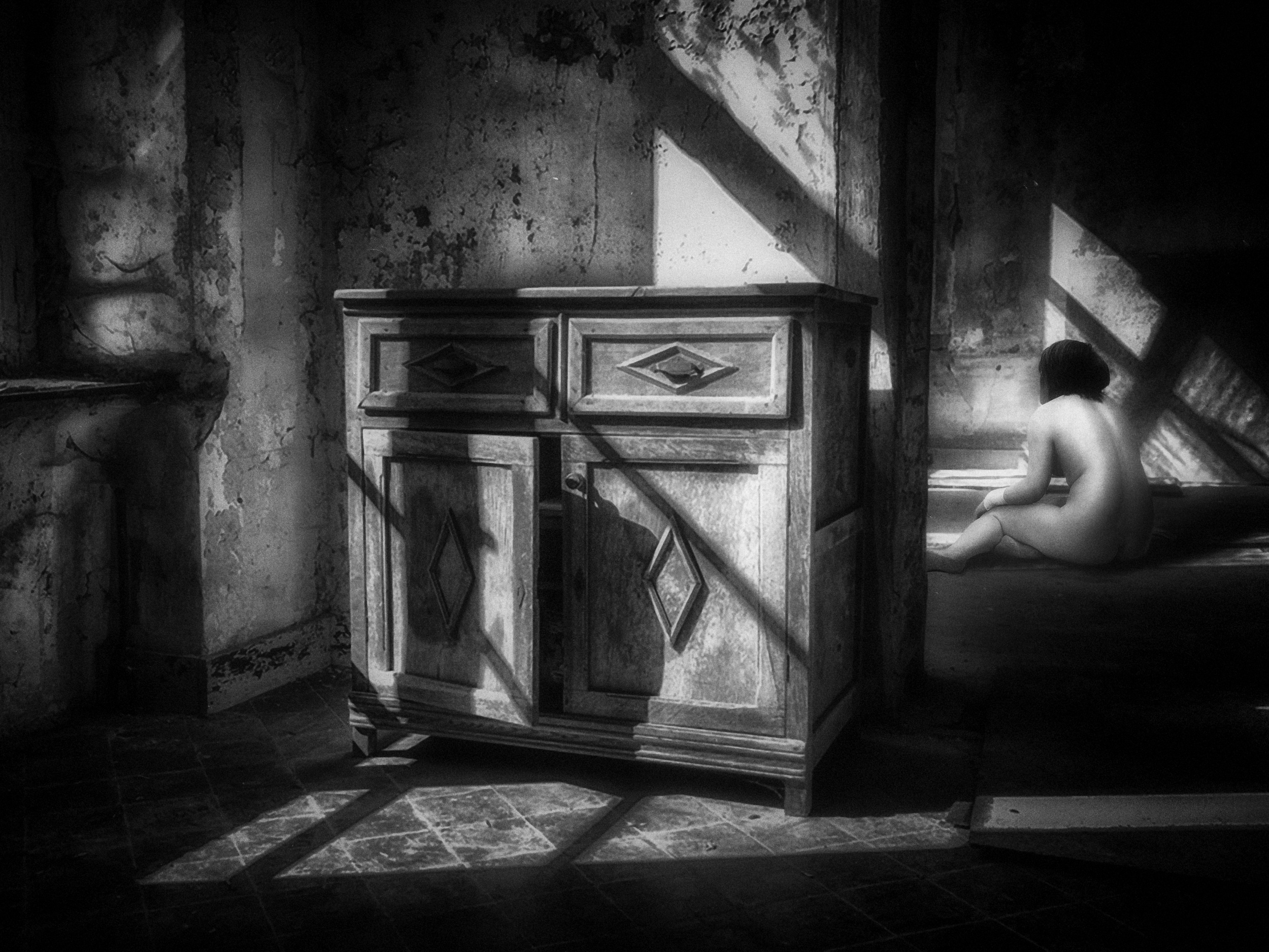
“the dresser”
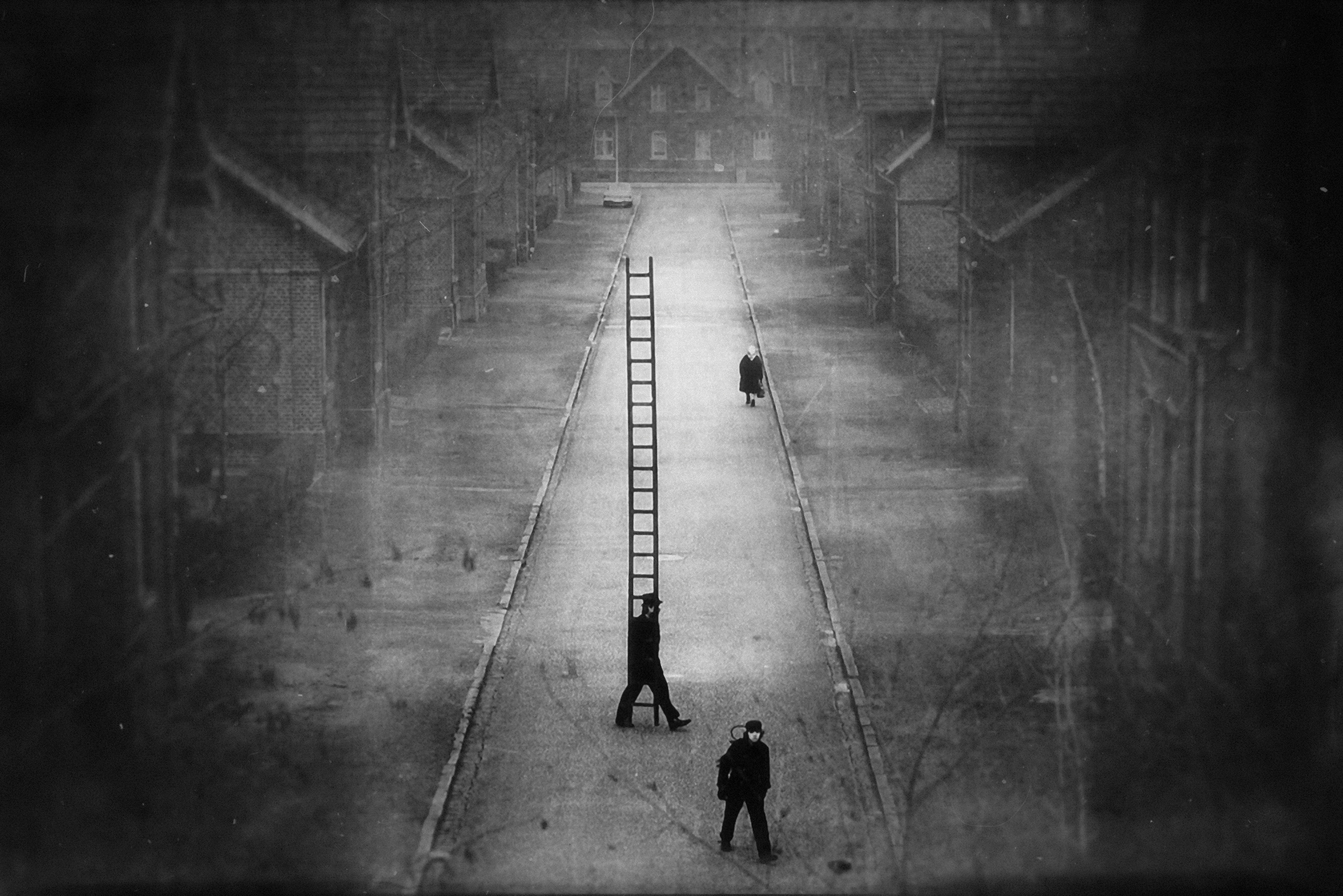
“the chimney sweeper”
There is a sense of gravity to his monochrome work. It is more than just black and white; it is atmospheric, brooding and emotionally charged. His photographs feel aged in spirit, not in deterioration. They carry the weight of history.
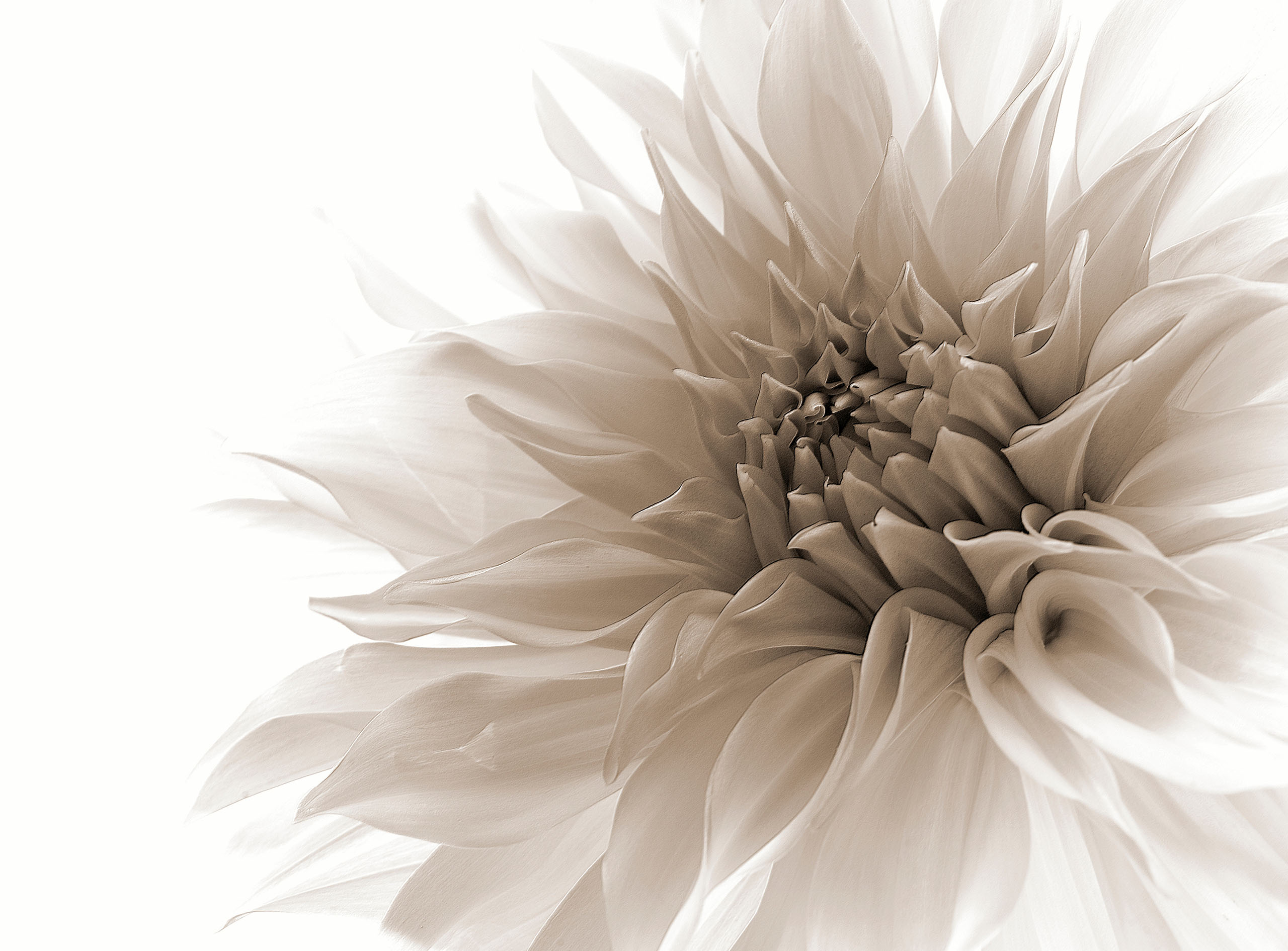
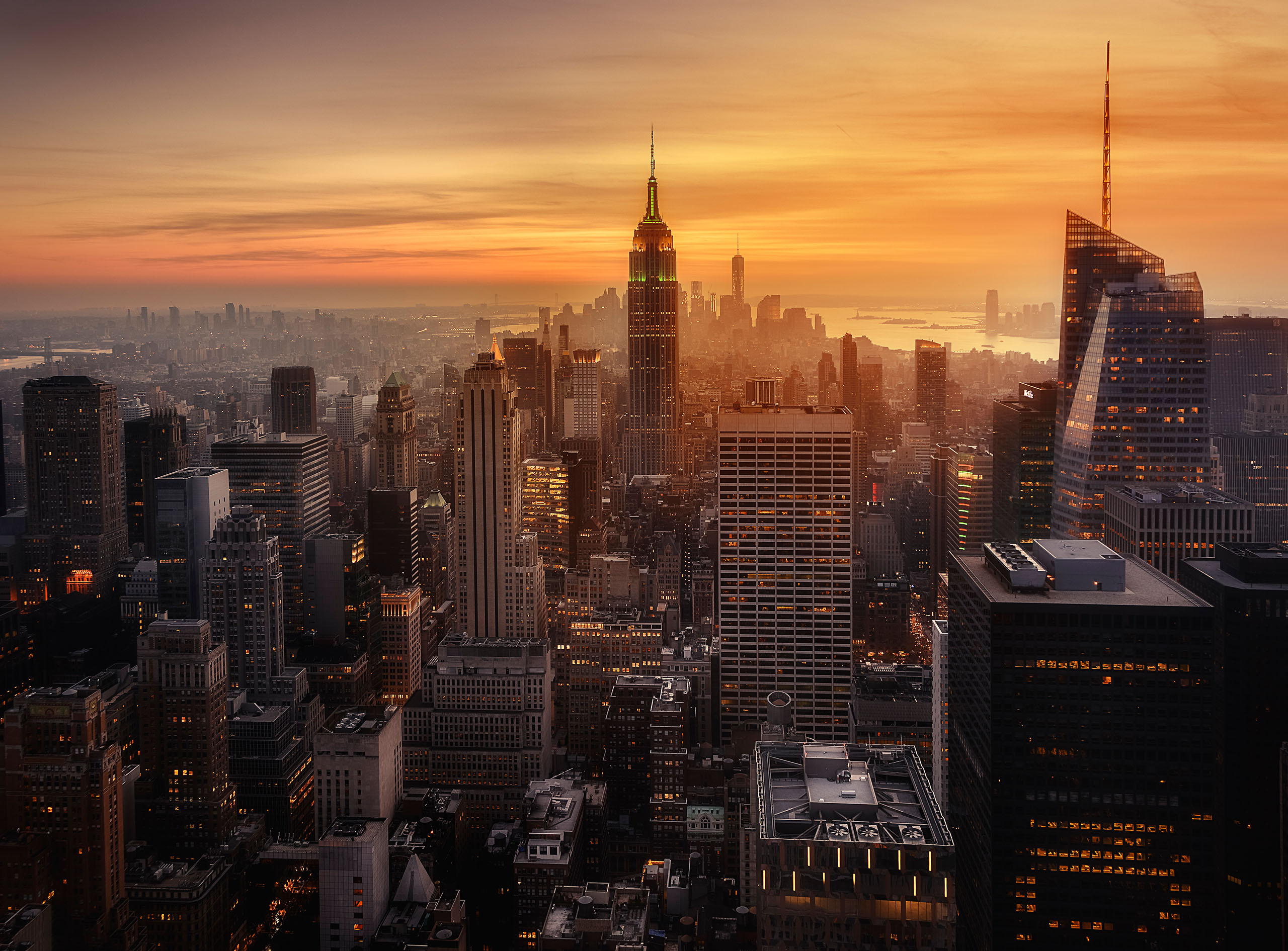
Holger himself speaks of an emotional connection to the past. Drawing inspiration from the black-and-white film classics of the 1940s and 1950s — Humphrey Bogart, Orson Welles and Peter Lorre, for example — as well as the stark realism of Italian neorealism from directors such as Roberto Rossellini and Vittorio De Sica, he draws from cinema's most expressive period. This influence is evident in his tendency towards dark, moody imagery with a distinct narrative. When he does use colour, it is restrained and vintage inspired.
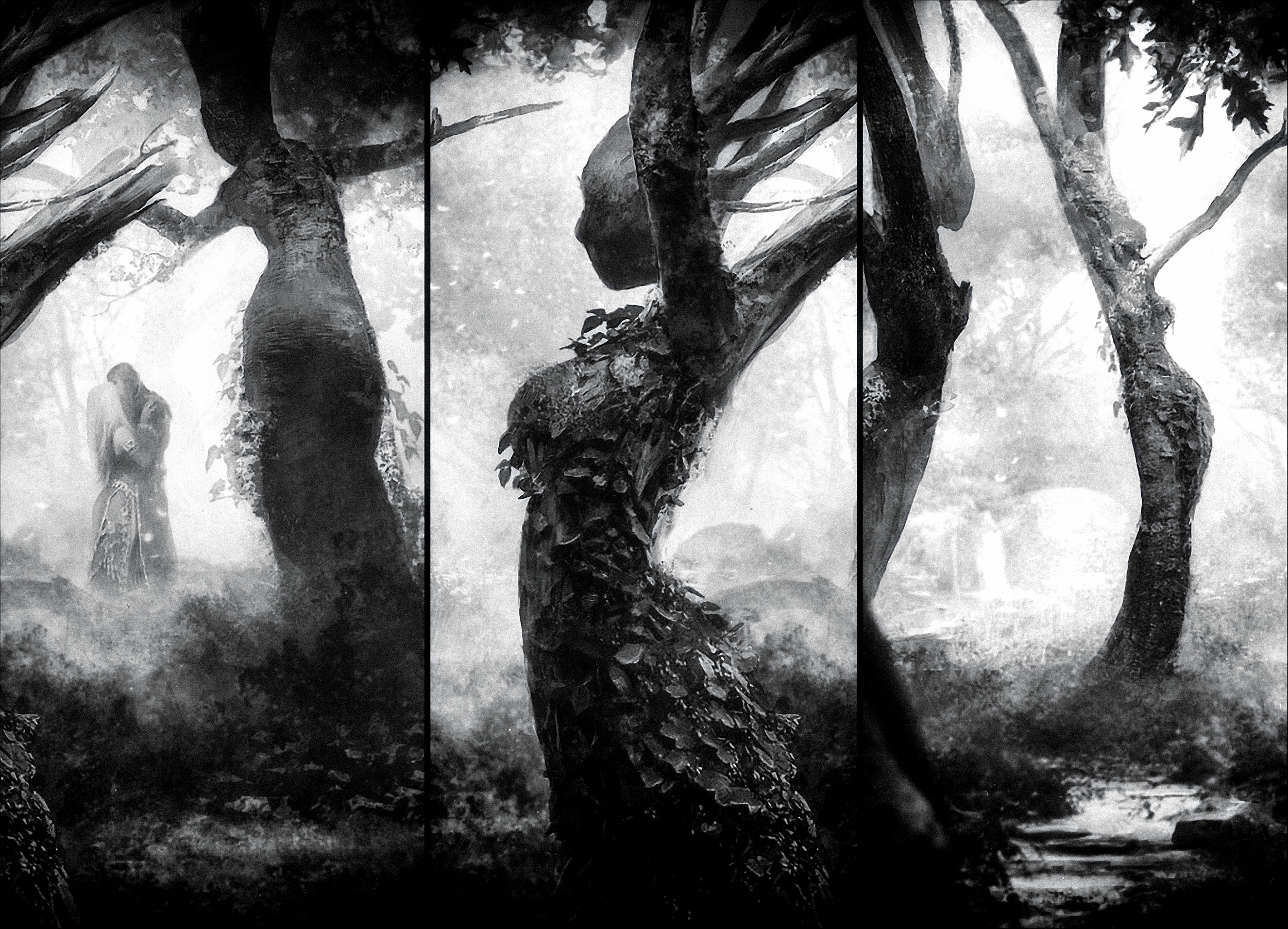
“Forest-the other Side-”
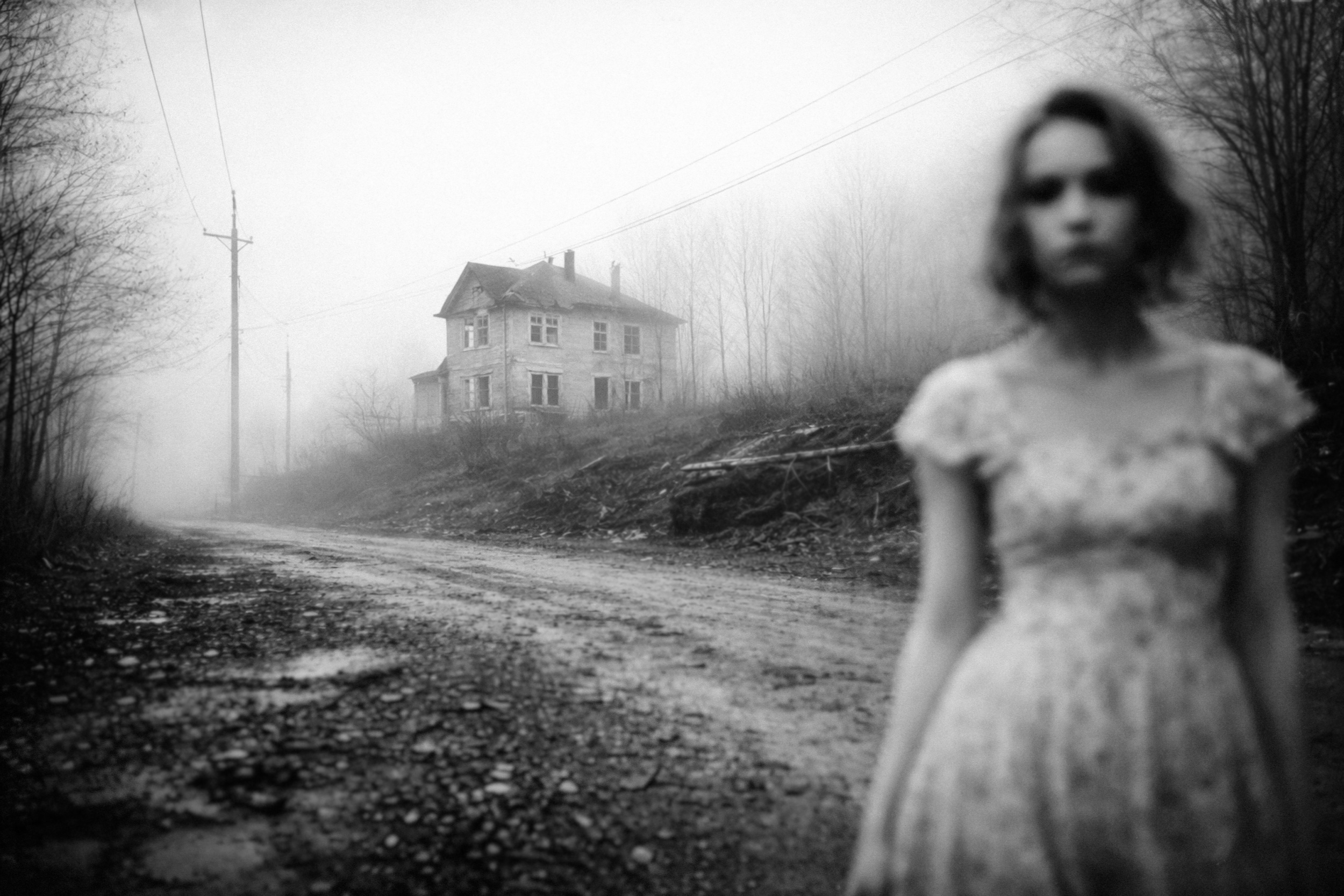
“Stille Tage”
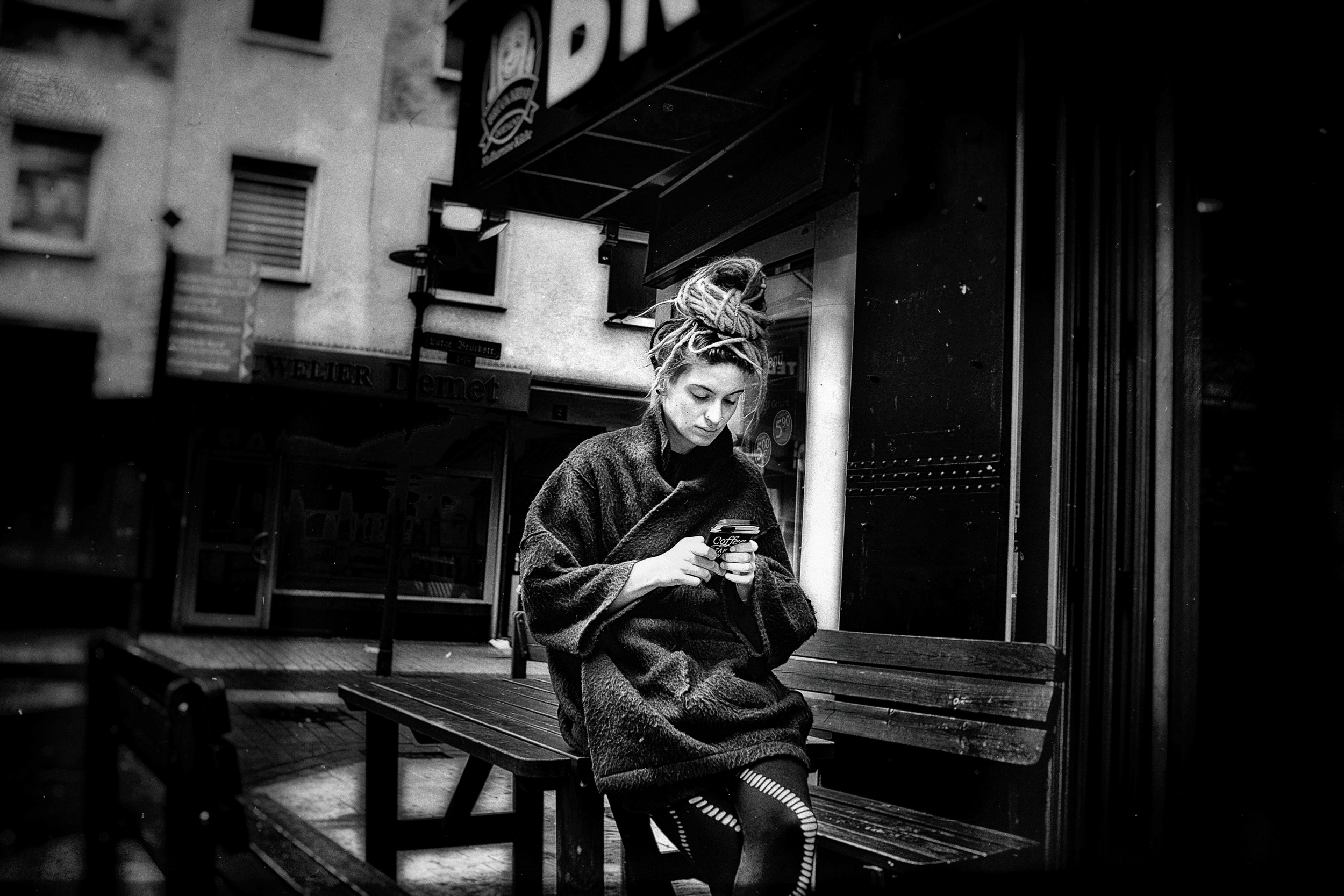
“Souls of City”
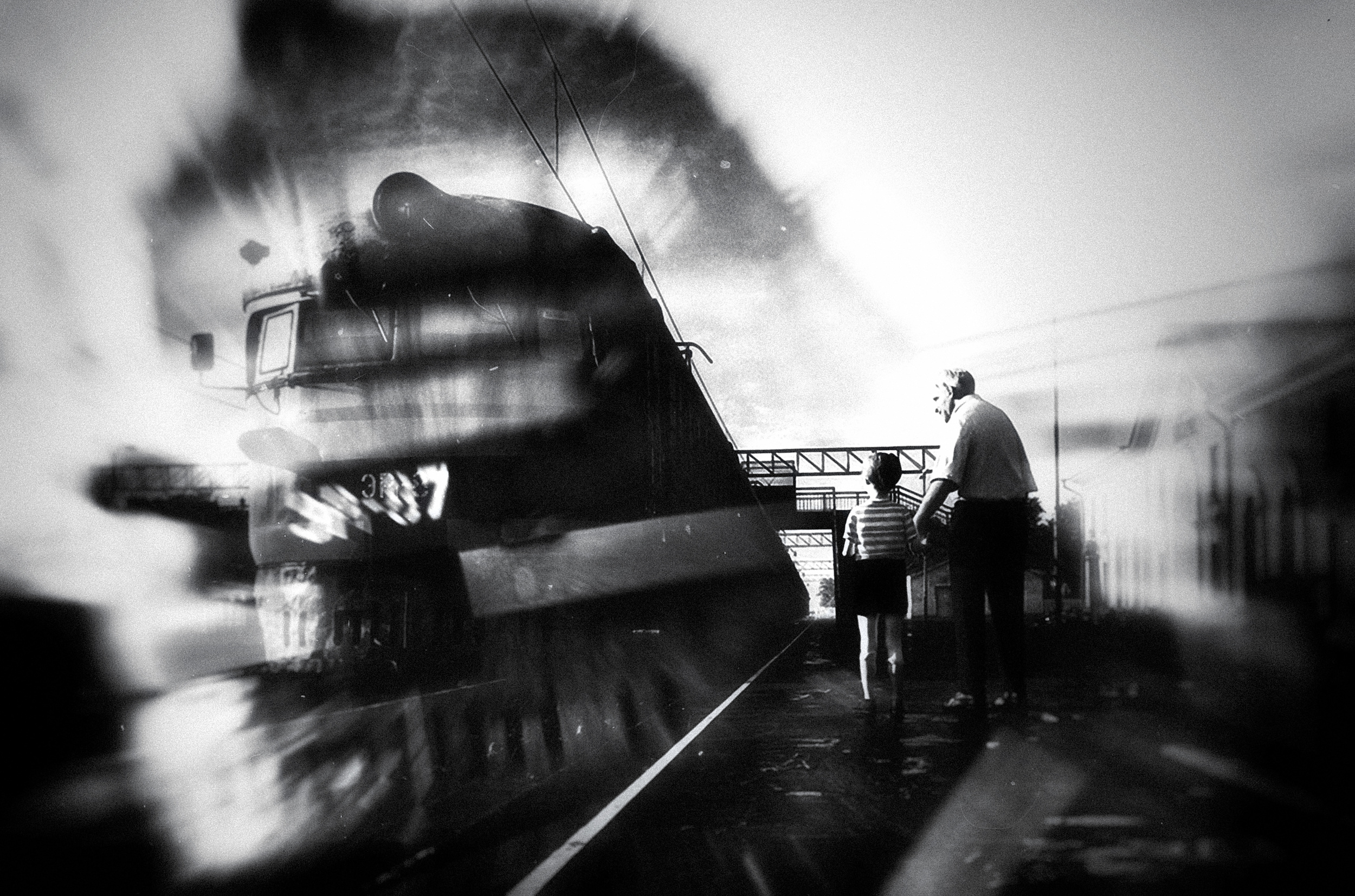
“railway station”
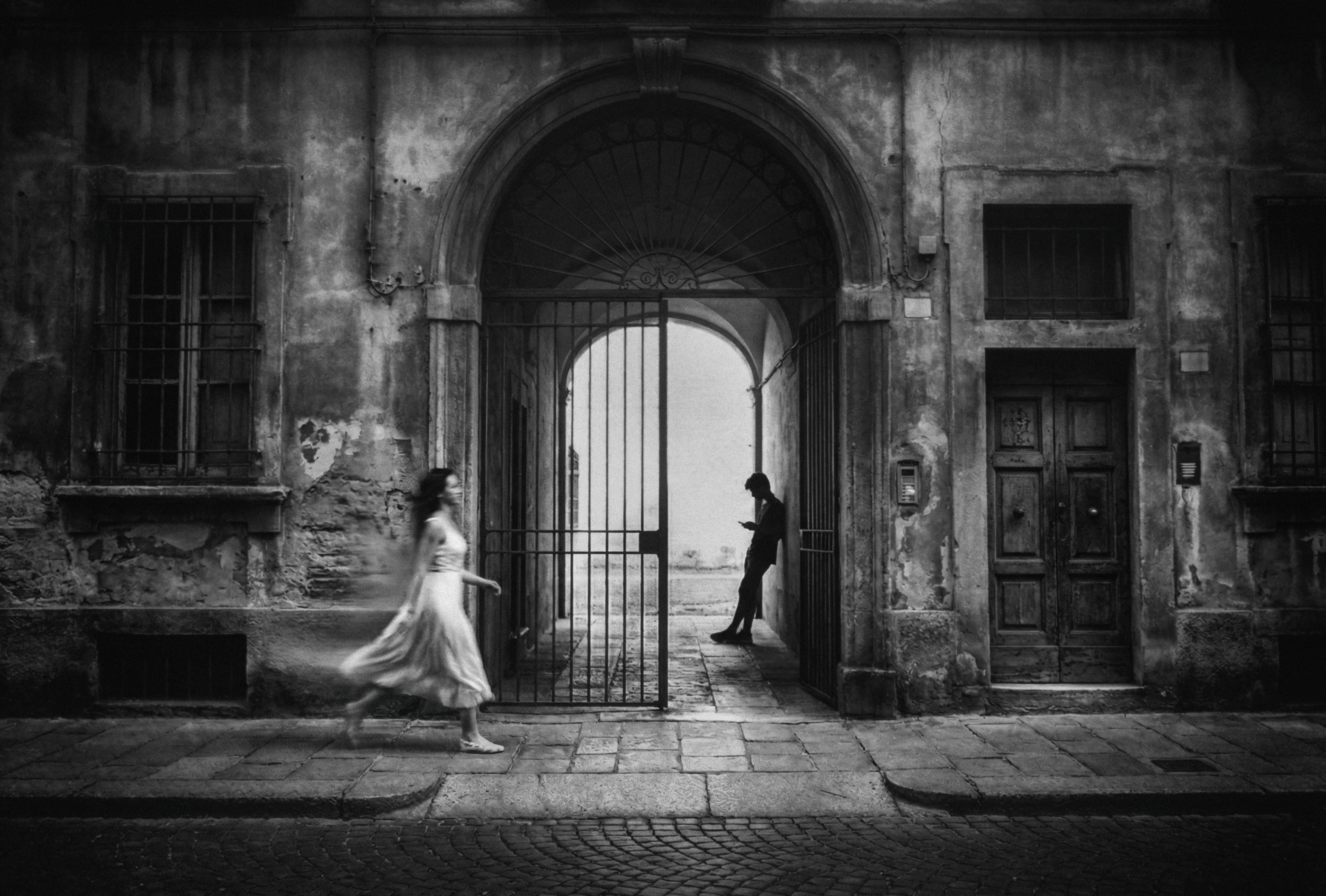
“italienische Impressionen”
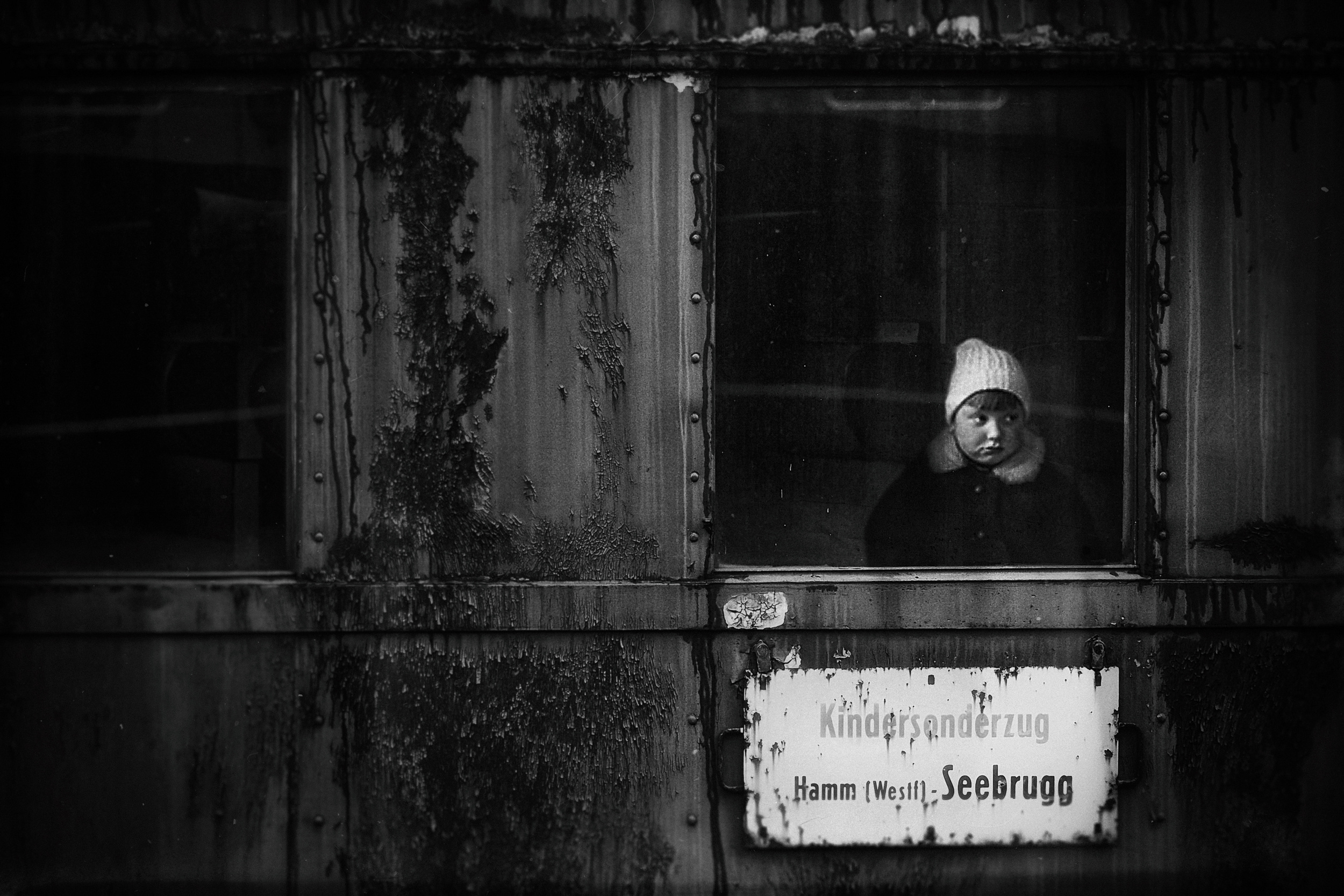
“Kindersonderzug”
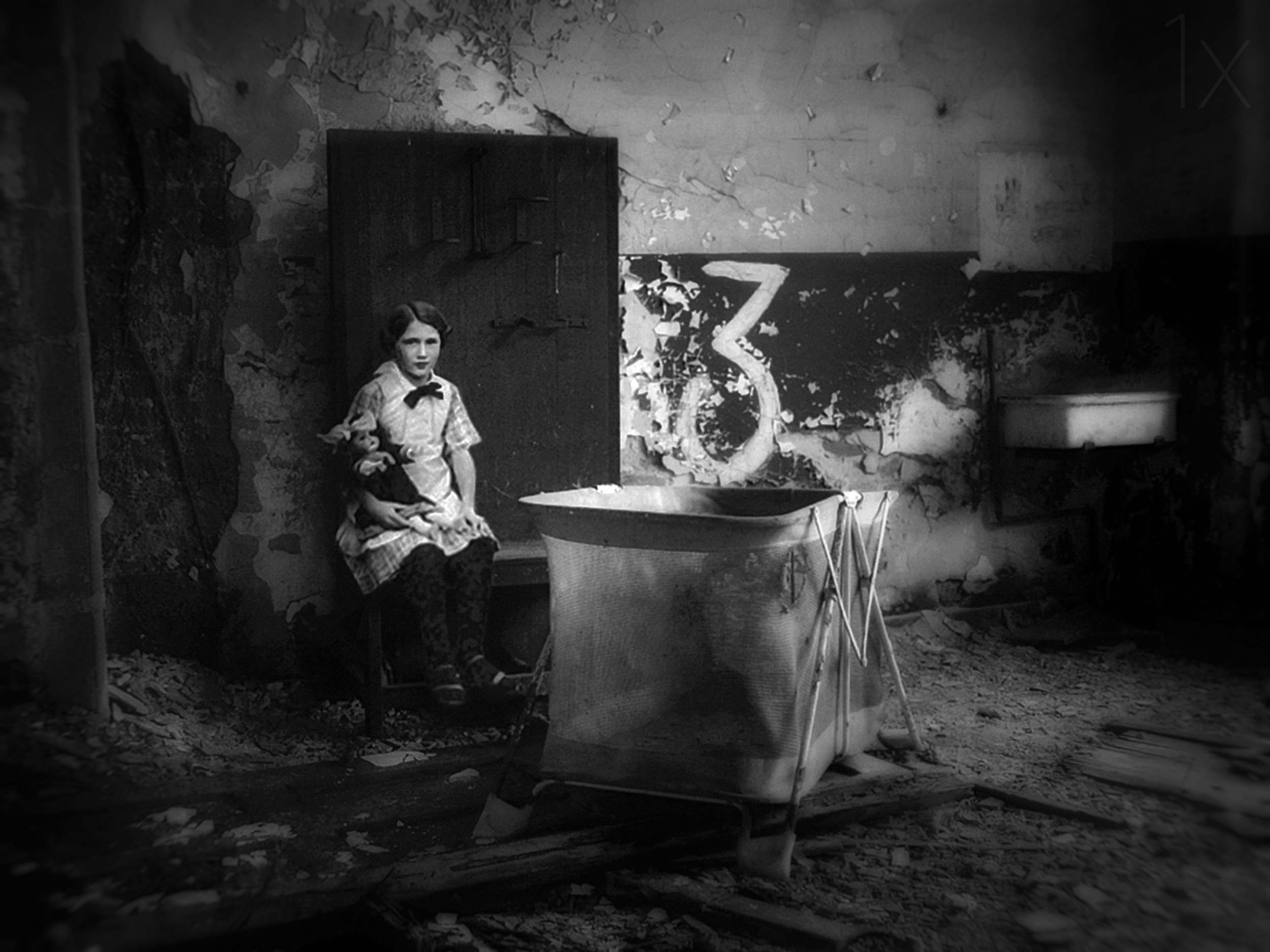
“3”
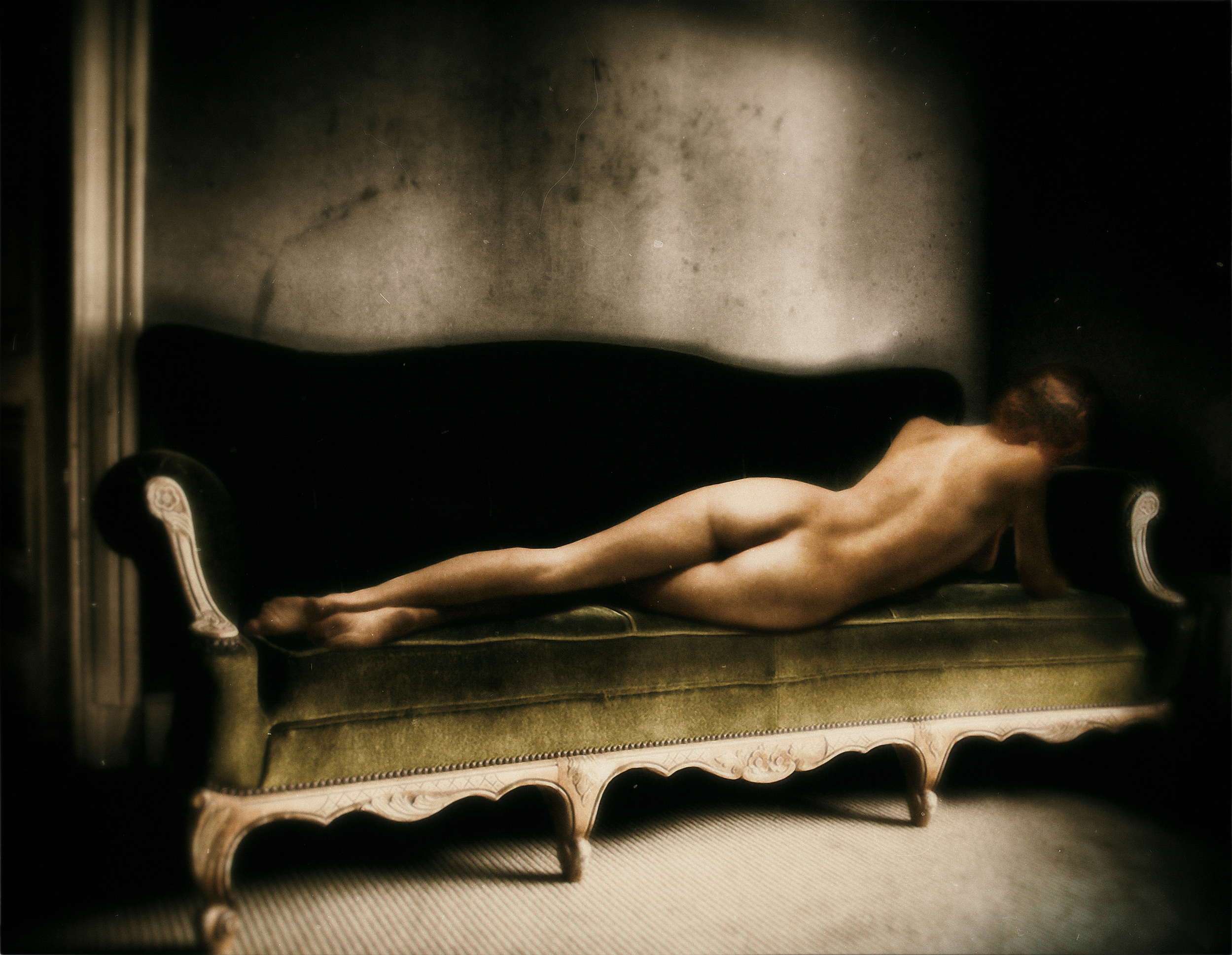
“Canape”
He often uses double exposure techniques to layer elements and introduce mystery and psychological depth. Real objects form the basis of his work, but subtle manipulations transform them. He describes his style as 'surreal realism': he photographs reality and then enhances it with subtle details that create a quiet surreal effect. The result is work that feels both grounded and dreamlike.
While his portfolio is diverse, it is curiosity that drives his experimentation. Yet, no matter the subject, his core aesthetic persists. For Holger, technical perfection is secondary. Harmony is important when architecture is present, but above all, an image must have mood, history, expression and soul.
He doesn't just photograph scenes; he resurrects atmospheres. His work feels like memory made visible — fragments of a cinematic past reimagined through a modern lens.
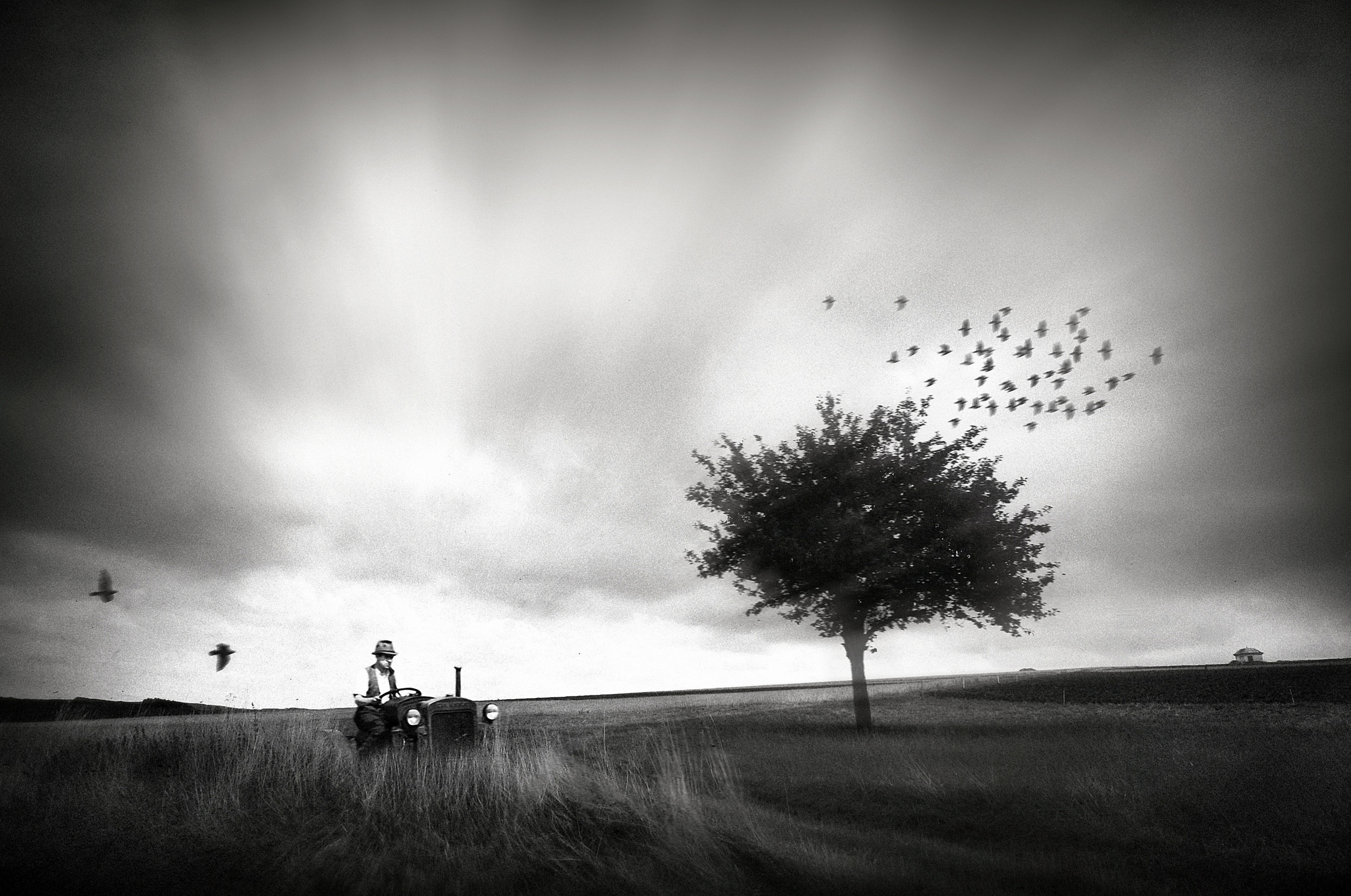
“Emilia Romagna II
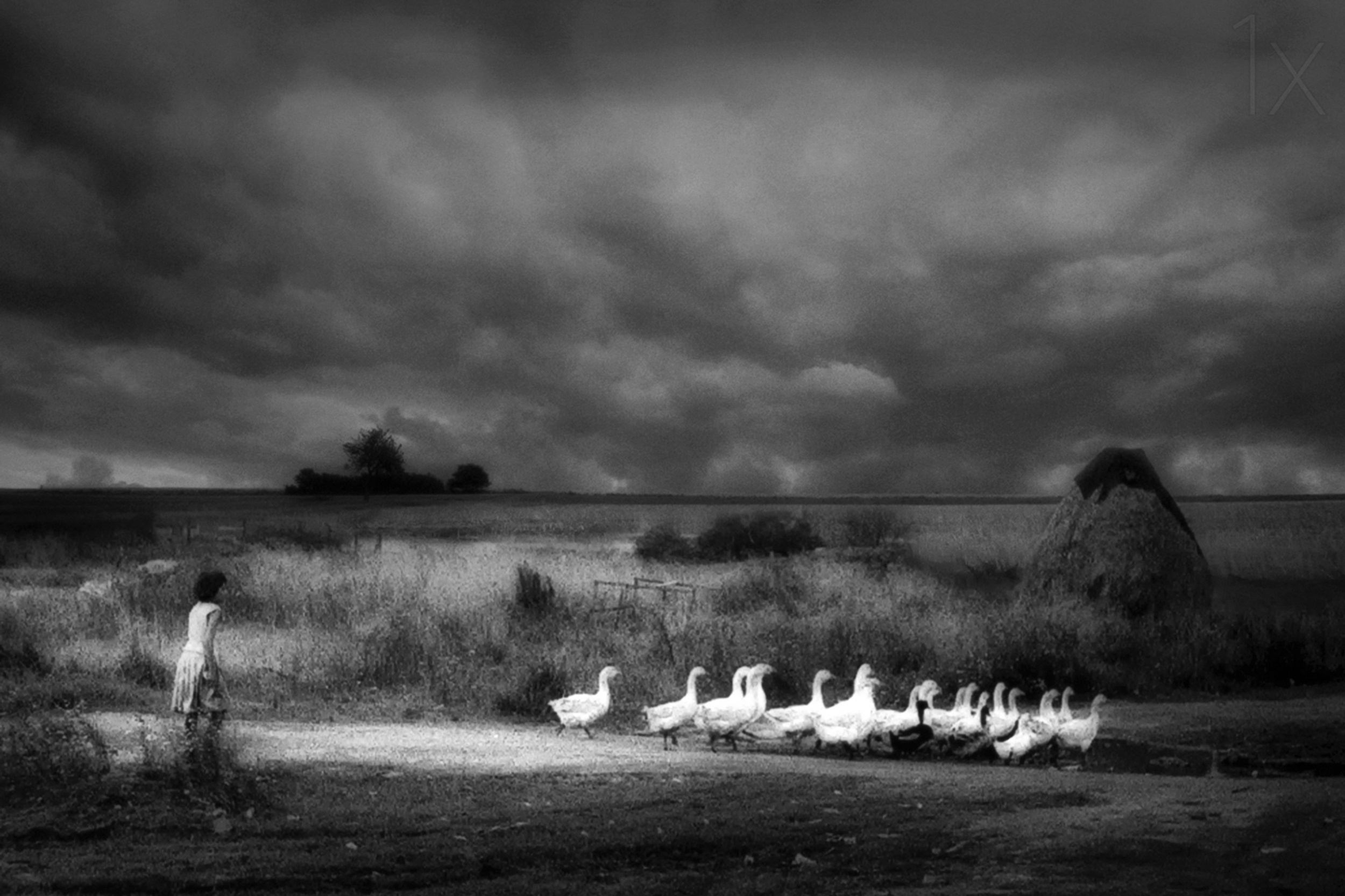
“Sicily”
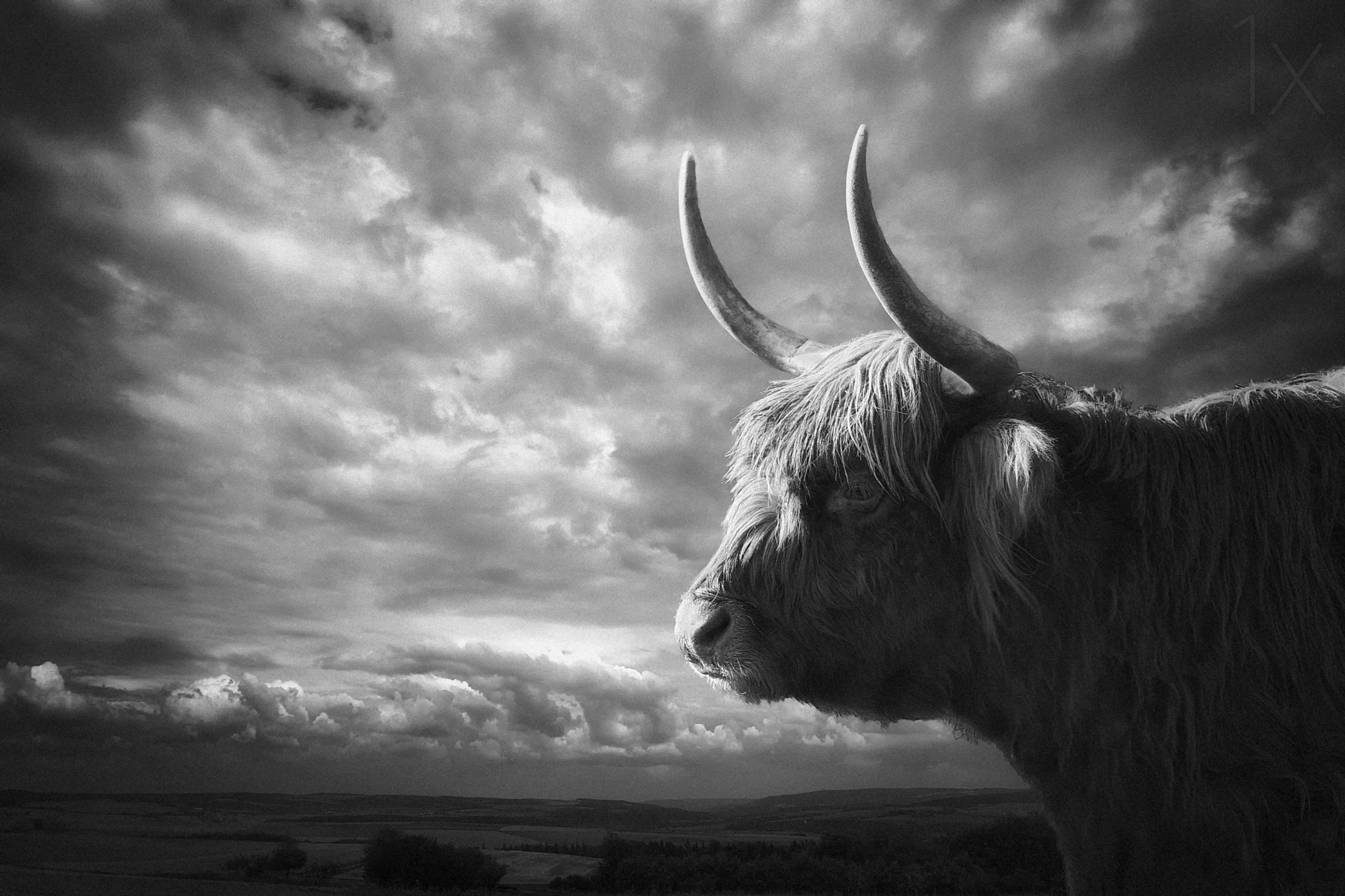
“the Highlands”
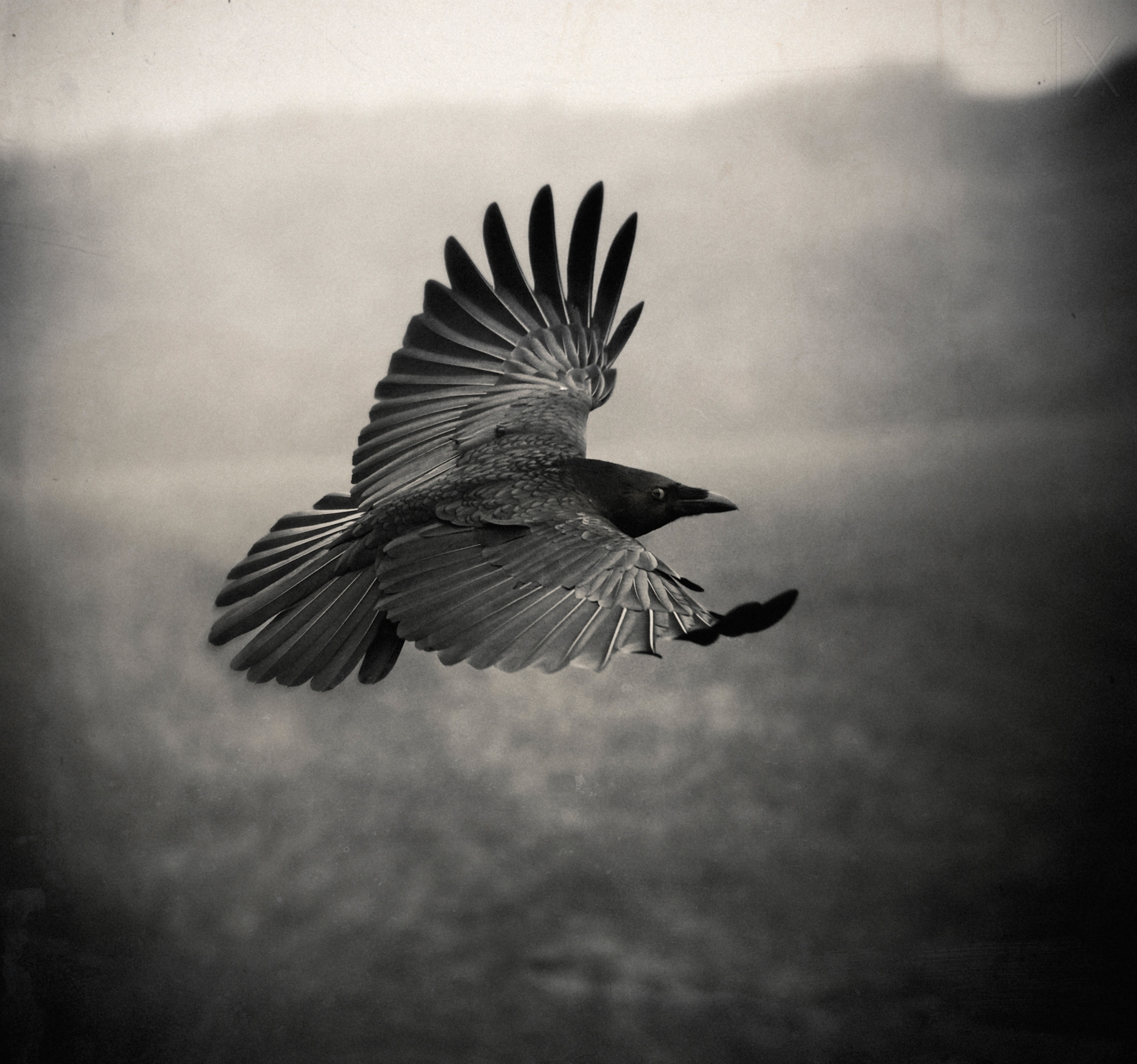
“the Crow”
Holger, it was wonderful selecting favourites from your impressive portfolio. Thank you for being part of the 1x community!
 | Write |
 | txules PRO Fascinating corpus of work |
 | Christine Hardcastle PRO Incredible images!!! Thank you for the article! |
 | Yaping Zhang PRO 祝贺获奖大师!令人赞不绝口的作品。视觉独特!精彩纷呈的杰出艺术作品!感谢亲爱的简和伊薇特为我们带来了视觉享受及有趣精湛的文章! |
 | Mesut Yalcin PRO very good
|
 | Miro Susta CREW Excellent photos from master photographer, accept my congratulations Holger. Many thanks for creating and publishing this interesting article dear Jane and Yvette. |
 | Hans-Wolfgang Hawerkamp PRO Du bist einer von denen hier zu dem ich erfurchtsvoll aufblicke. Großartige Zusammenstellung Deiner Meisterstücke.
Thanks a lot also for her work to Jane |
 | joanaduenas PRO An extraordinary selection of works by this impressive monochromatic photographer, thank you for showing them to us. |
 | Kathryn King PRO Absolutely stunning work, a pleasure to view and ponder. |
 | X-FlyingKN PRO Holger’s work is truly distinctive — powerful, cinematic, and full of soul !
Many thanks to Jane and Yvette for bringing such inspiring artistry to us :-) |
 | Elaine Springford PRO An incredible series of diverse images. Inspiring work! |
 | Luc Vangindertael (laGrange) CREW I am deeply moved by the art of Holger Droste. I follow his work since I joined 1X. All his work, whatever the subject, is high class. |
 | Gila Koller PRO Amazing B&W images Holger!! Congratulations! |
 | Elizabeth Allen CREW Superb, inspiring work, congratulations, Holger! Thanks to Jane and Yvette. |
 | Heike Willers PRO Thank you so much for showing us this wonderful collection of artwork! Impressive work, dear Holger! |
 | Robert Buergisser PRO I'm thrilled! What first-class photographic work! |
 | Sandro Sardoz PRO Masterpieces... !!! |
 | Gil Beer PRO Wonderful. Strong images |
 | Eiji Yamamoto PRO Thank you so much for this wonderful article with great photos!
Dear Holger, congratulations! It's so beautiful, poetic and emotional. Dear Jane and dear Yvette, as always, thank you so much! It's very inspiring! |
 | Yvette Depaepe CREW I admire your work for a long time, Holger. You're such a talented photographer. I hope to see your work here for many more years. Cheers, Yvette |
 | Patrick Compagnucci PRO Absolutely superb images. Congratulations! |
 | Angelika Vogel PRO Holger, herzlichen Glückwunsch zu diesem außergewöhnlichen, beeindruckenden Portfolio! Ja... was Franz sagt... Große Photokunst". |
 | FranzStaab PRO Große Fotokunst! Sehr gut! |